Truckload Rates: How They Change and Why They Matter
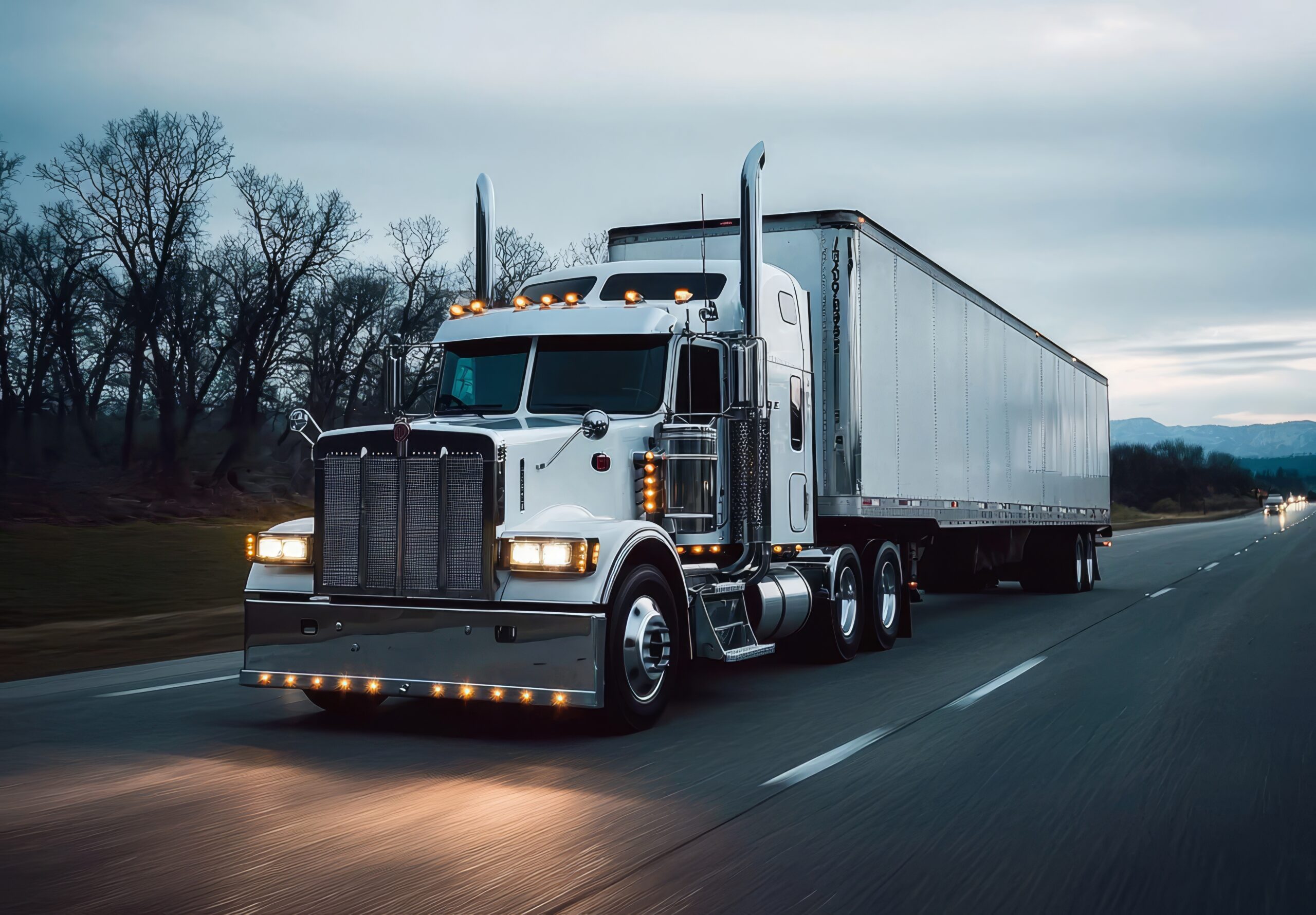
Truckload rates are a fact of life in the logistics industry. Whether you’re a shipper, carrier, or freight broker, understanding how they work is essential.
Here are some of the factors that cause truckload rates to rise and fall:
- Distance: Longer hauls typically cost more because of the amount of miles that have to be traveled, fuel spent, maintenance required, and wear-and-tear on vehicles and equipment.
- Weight, Volume & Cargo Size: Larger cargo takes up more space inside a trailer, burns up more fuel, and requires additional labor to load and unload.
- Type of Freight: Goods that need special handling, like fragile items or perishable foods, cost more to ship than standard dry goods.
- Fuel: The cost of fuel, whatever it might be at the time of calculation, is factored into the final rate.
- Market Supply & Demand: When capacity is roughly equal to demand, carriers will charge more for their services.
- Urgency: Time-sensitive transportation services put strain on carriers and their resources, which necessitates higher rates.
- Region: Carrier capacity, demand, competition, and economic factors can lead to diverse truckload rates across regions.
The factors affecting truckload rates can change with every shipment. This makes it difficult to predict exactly how much a shipper will have to spend.
That’s why carriers offer quotes so shippers can get an estimate on how much it will cost to move their freight prior to booking a load. Carriers incorporate many of these factors that affect shipping rates into their quotes to calculate a price that’s fair to their customer, while also ensuring they still make a profit.
Freight brokers use their knowledge of truckload rates to negotiate more favorable prices on behalf of their clients.
Shippers who don’t understand truckload rates and how they change are at a severe disadvantage. For one, they’ll struggle to forecast transportation costs accurately. This will hinder a shipper’s ability to budget for future shipments accordingly.
Shippers that are knowledgeable of truckload rates can also negotiate better contracts and select better carriers.
If you’re just getting into logistics, regardless of which role you play within it, knowing how truckload rates work will help you navigate this industry with confidence.