DOT Action on CDL Mills
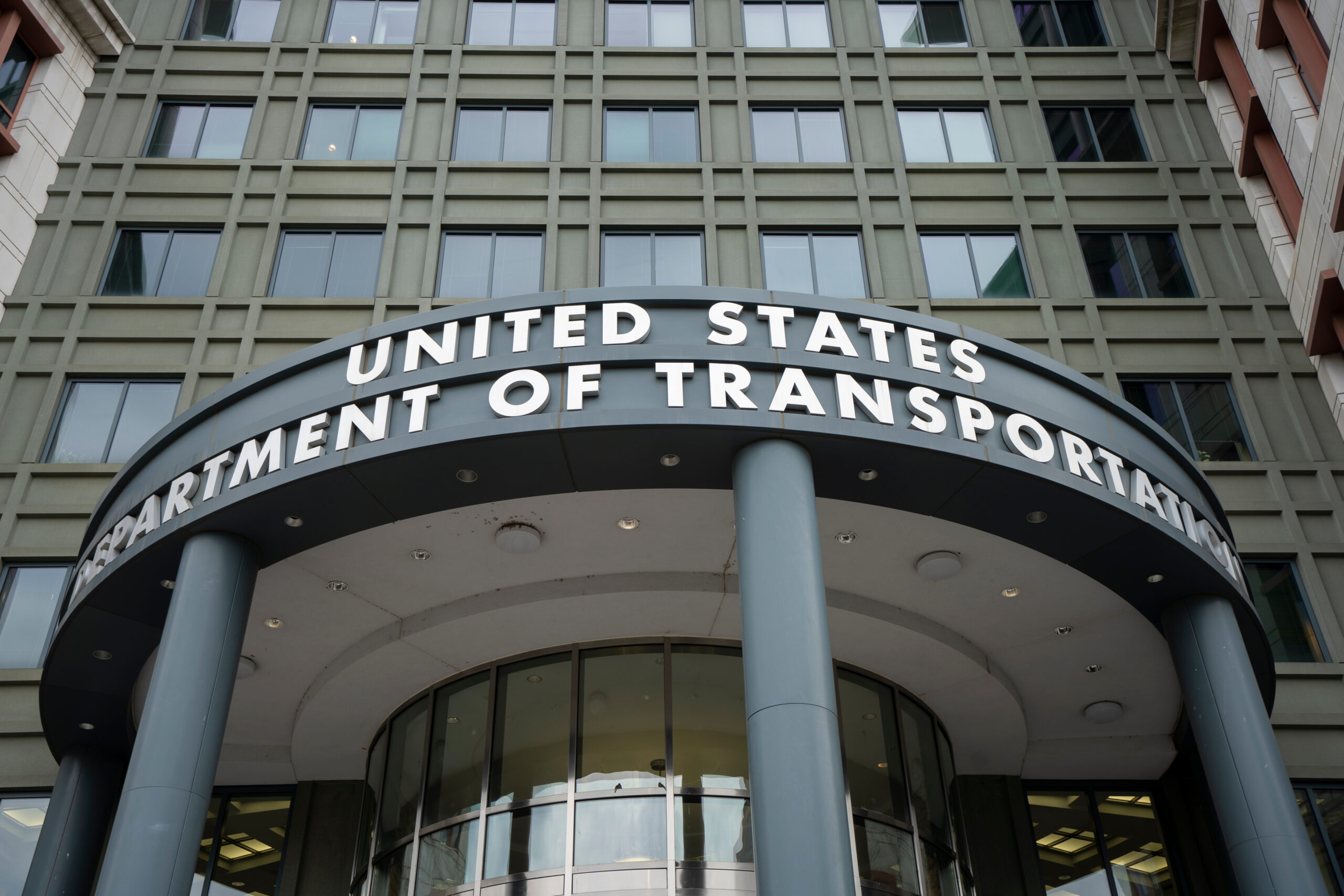
The Department of Transportation announced Monday it will remove nearly 3,000 commercial driver’s license training providers from its federal registry for failing to meet basic safety and compliance standards. Another 4,500 providers received warning notices for potential violations. The action, led by Transportation Secretary Sean Duffy, targets training facilities accused of falsifying records, failing to meet curriculum requirements, and inadequately preparing drivers for the road. Together, these providers represent more than 40% of the nation’s 16,000 authorized CDL training programs.
What 3PLs Should Know
The Federal Motor Carrier Safety Administration is conducting its first comprehensive review of all 16,000 training providers on the Training Provider Registry. Providers removed from the list were found to be:
- Falsifying or manipulating training data
- Neglecting curriculum standards or instructor qualifications
- Failing to maintain proper documentation
- Refusing records during federal audits
Training providers on the proposed removal list have 30 days to demonstrate compliance. During this period, they must notify current students of their status.
Why This Matters for TIA Members
For 3PLs, the quality of drivers in the broader trucking ecosystem directly impacts operational safety and reliability. When poorly trained drivers enter the system, the consequences ripple throughout the supply chain.
Removing substandard training programs addresses a critical weak point in driver preparation. These facilities allegedly rushed students through programs without ensuring they mastered essential skills like vehicle control, hazard recognition, and safe loading practices.
The short-term impact may include tighter driver capacity as training slot availability contracts. However, these temporary disruptions serve the larger goal of ensuring only qualified drivers operate commercial vehicles on public roads.
.