Cybersecurity Threats Plaguing the Supply Chain and How To Avoid Them
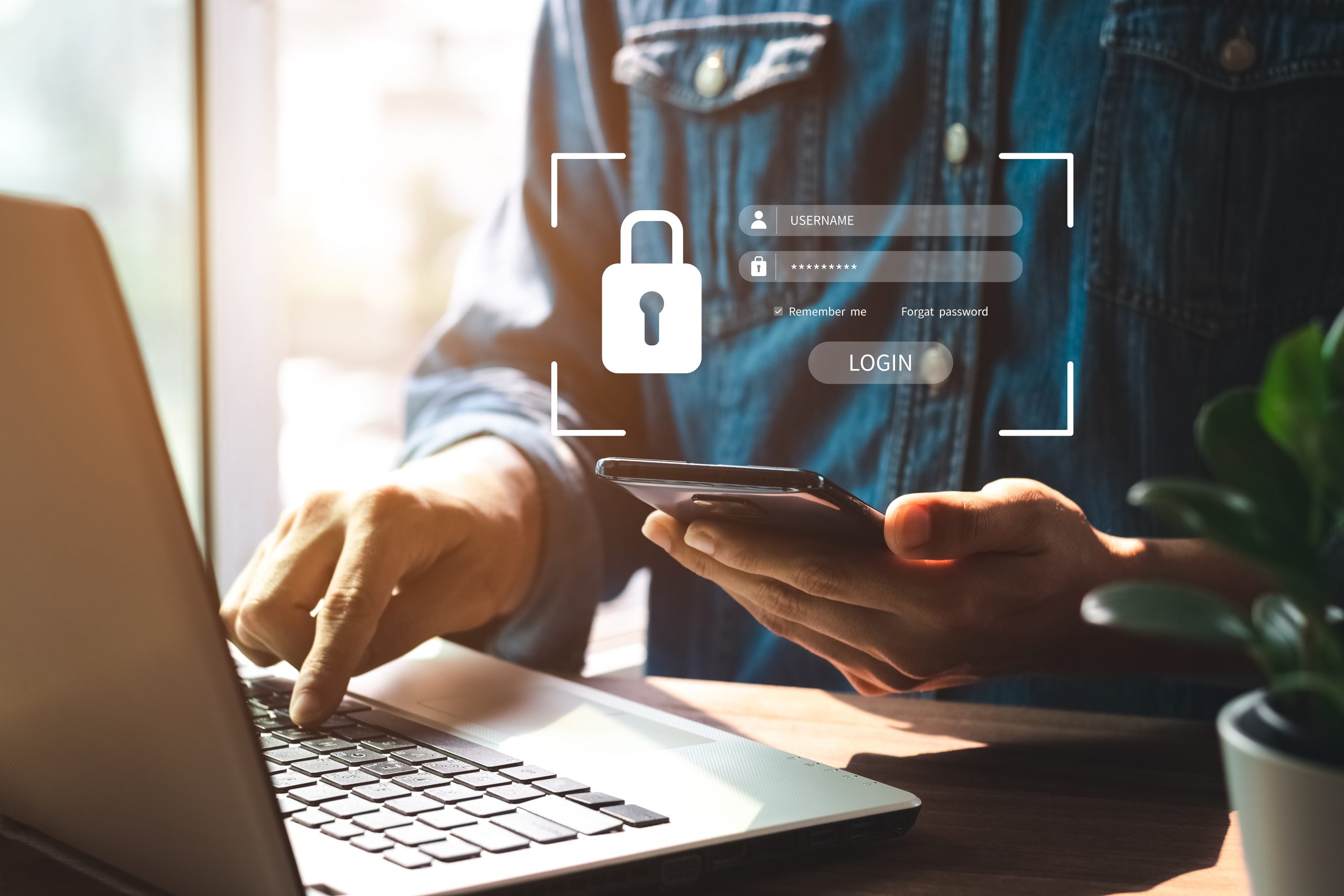
Technology plays an integral role in the logistics industry. Whether it’s booking loads, planning routes, or facilitating payment, logistics professionals use technology to keep the supply chain moving.
Unfortunately, that reliance on technology exposes 3PLs, freight brokers, and transportation intermediaries to a variety of cyber threats. It’s essential for members of the supply chain to thoroughly understand these threats to defend against them.
Here are some common cyber threats encountered by R+L Global Logistics, the company I work for, and other 3PLs:
- Phishing and Credential Theft
- Cyber-Enabled Cargo Theft
- Payment and Invoice Diversion
- Ransomware
- Carrier Impersonation
- AI-Enhanced Social Engineering and Impersonation
3PLs and freight brokers that fall victim to criminal cyberattacks may lose their customers’ shipments. This can damage trust and make it difficult to rebuild. Cyber attacks might also result in operational disruption, loss or exposure of sensitive data, and financial losses.
As a team member within a 3PL, I’ve seen a variety of strategies that we, other 3PLs, and brokers in the logistics industry use to reduce the risk of cyber threats.
Here are the strategies I recommend:
- Carrier Vetting Platforms: They automate the process of verifying a carrier’s identity, safety compliance, accident history, and insurance. There are numerous platforms on the market at different price points and slightly different service offerings.
- Protect Shipment Information: Access to load details like pickup numbers, commodity information, delivery appointments, and other shipment details should be heavily restricted to a select few authorized employees. If this information is stolen, criminals can facilitate fictitious pickups and cargo theft.
- Multi-Factor Authentication (MFA): This security process requires users to provide multiple factors to prove their identity instead of solely on a password. If criminals using cyber capabilities are able to steal credentials, unauthorized access remains blocked.
- Keep Mobile Devices Updated: 3PLs and freight brokers should ensure their mobile devices, such as laptops, cell phones, and tablets, have the most recent operating system (OS) and firmware versions.
- Train Employees: While most freight brokers work alone, 3PLs should train their employees to identify the different types of cyber threats and how to respond.
As technology evolves and the tools used by the logistics industry progress with it, cyber threats will persist. That’s why 3PLs, freight brokers, and transportation intermediaries must take the necessary precautions to protect themselves and their customers.